
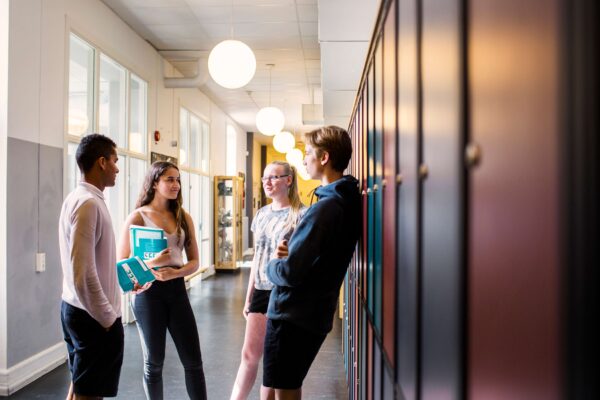
Folk high schools represent a specific educational tradition that developed in Nordic countries. These institutions focus on adult learning, personal growth, and social engagement rather than formal qualifications. Folk high schools offer an alternative educational path that values dialogue, community, and lived experience. This model influences how education connects with democracy and social participation.
Historical background of folk high schools
The concept of folk high schools emerged in the nineteenth century. Their rise was caused by changes in society, changes in rural areas, and a growing need for education. These schools were meant to teach regular people, not the rich and powerful. Learning was connected to daily life, culture, and being aware of civic issues.
Early folk high schools were set up to help farmers and workers who wanted to learn more. People thought that education could make society stronger. Schools put more emphasis on understanding and participation than on tests. This method was different from how most schools work.
Core principles and educational values
The principles of equality, conversation, and lifelong learning are what folk high schools are based on. Students and teachers talk to each other as equals instead of as people in charge. Conversation, reflection, and doing things together are all ways to learn.
There is no fixed curriculum across all schools. Each institution defines its focus. Freedom allows adaptation to local needs. Courses may include culture, arts, social issues, or practical skills.
Education here focuses on whole–person development. Emotional, social, and intellectual growth are connected. Students are encouraged to reflect on identity, values, and role in society.
Structure and organization
Folk high schools usually operate as residential institutions. Students live and learn together for weeks or months. Shared daily life strengthens community bonds. This setting supports informal learning outside the classroom.
Courses vary in length. Some programs last a few weeks. Others continue for a full academic year. Admission requirements are minimal. Formal previous education is not central.
There are no grades or diplomas in the traditional sense. Learning outcomes appear through personal development. Some programs support further education, but certification is not the main goal.
Who attends folk high schools?
Participants come from diverse backgrounds. Young adults seeking direction join alongside older learners. Some students return to education after long breaks. Others explore interests not covered in formal systems.
Motivations differ. Some seek community. Others want skills or reflection time. Folk high schools offer space without the pressure of exams.
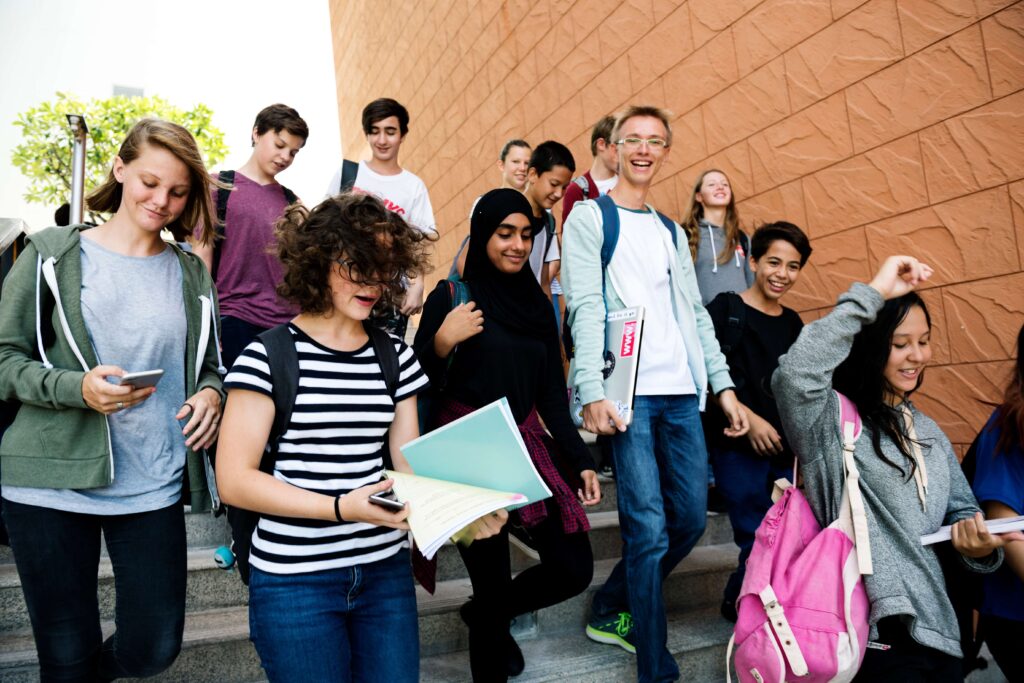
Common participant groups include:
- young adults between secondary and higher education
- adults changing career direction
- individuals interested in the arts or culture
- learners seeking personal growth
- people returning to education after absence
This diversity enriches discussion and learning.
Role in democratic and social life
Folk high schools support democratic culture. Every day, we practice talking and taking part. Students learn how to listen, disagree politely and work together. These habits help people get involved in their communities.
Education connects personal experience with social issues. Discussions address community challenges, history, and values. Learning encourages responsibility rather than competition.
Through informal learning, folk high schools contribute to social cohesion. They create spaces where different voices meet. This role remains relevant in changing societies.
Folk high schools continue to function as educational alternatives. Their focus on community, dialogue, and lifelong learning offers a different understanding of what education can mean.
Curriculum freedom and learning methods
Folk high schools design their own programs without strict national control. This freedom allows experimentation and responsiveness. Teachers select themes that reflect social issues, cultural interests, or learner needs. Content changes regularly and remains flexible.
Learning methods emphasize participation. Discussion circles, workshops, and project work replace lectures. Students learn from each other as much as from teachers. Experience is treated as a knowledge source.
Reflection plays a central role. Time is given for dialogue and personal thought. Silence and conversation both support learning. This rhythm differs from fast–paced formal education.
Relationship with formal education systems
Folk high schools exist alongside formal education systems. They do not replace universities or vocational training. Instead, they complement them. Some students use folk high schools to prepare for further study. Others attend for personal reasons only.
Recognition varies by country. In some cases, participation helps access higher education. In others, it remains nonformal. This flexibility preserves independence.
Formal systems often focus on outcomes and efficiency. Folk high schools focus on process and meaning. This difference explains their continued relevance.
Cultural and artistic focus
A lot of folk high schools put a lot of emphasis on culture and the arts. There are a lot of examples of music, literature, visual arts, and crafts. Creative expression helps people figure out who they are. Artistic practice also promotes teamwork.
Cultural activities help students learn about their heritage. Local customs and global trends come together. This combination makes it easier to understand how cultures stay the same and change.
Art becomes a way to talk to each other. It lets you say things that aren’t just academic words. This works for students from many different backgrounds.
Social inclusion and accessibility
Folk high schools aim for social inclusion. Low entry barriers support access. Financial support exists in many countries. This reduces inequality in adult education.
Some schools focus on specific groups. Programs support migrants, people with disabilities, or marginalized youth. Community life offers structure and belonging.
Challenges remain. The residential model may limit access for some. Time commitment can be difficult for working adults. Adaptation continues to address these issues.
Key inclusion features include:
- policies that let anyone in.
- Talk to each other instead of testing.
- helping different types of learners.
- putting a lot of emphasis on living in the community.
These features strengthen accessibility.
Contemporary role and future relevance
Folk high schools respond to modern challenges. Digital skills, sustainability and social dialogue gain importance. Schools update content while keeping core values.
Society faces polarization and isolation. Folk high schools offer spaces for meeting and listening. Slow learning counters constant pressure.
Their future depends on continued support and adaptation. As long as learners seek meaning, community, and reflection, folk high schools remain relevant in Nordic education traditions.

Comments are closed