
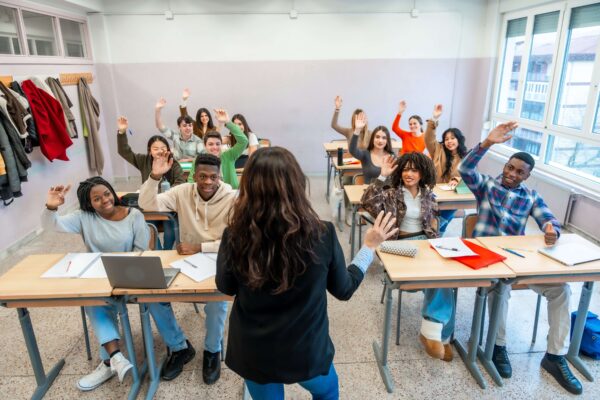
Global citizenship education is, well, a way of learning. It helps students to understand the world as one system, all connected. It talks about big problems, shared responsibility, and social awareness. Schools use it to prepare learners for life in society. Society is not simple; many people move, some people poor, and communication goespeople are everywhere. Global citizenship education changes how students think, act, and relate with other people, including those who do not live in the same country.
Core ideas of global citizenship education
Global citizenship education is based on the idea that individuals belong to wider communities, not only local or national ones. It promotes awareness of global challenges such as inequality, environmental pressure, conflict, and human rights. Learners are encouraged to see connections between daily actions and global consequences.
The concept does not replace national identity. Instead, it adds another layer of understanding. Students learn that cultures differ, but values such as dignity and responsibility appear across societies. This perspective supports cooperation rather than competition.
Education systems adapt global citizenship education to local context. Content changes by country, school type, and age group. Despite variation, the main goal remains similar–to develop informed, responsible learners.
Learning goals and student development
Learning goals are about what you know, what you can do, and how you feel. Students learn about history and how the world works. They also learn how to think critically, talk to others, and work together. Respect, openness, and a willingness to engage with differences are all parts of attitudes.
The goal of global citizenship education is not to get people to agree on politics. It helps people understand how complicated things are. Students learn how to question where information comes from and see things from different points of view. This gets them ready to take part in democracy.
Emotional learning is also part of it. Empathy helps students to connect with problems very far away. When they think and reflect, they can contemplate things without too much stress. Balance is very important, to not be scared or not care too much.
Role of schools and teachers
Schools act like crucial places for global citizenship education. Teachers show global topics in subjects like geography, history, language, and social studies. Cross–curricular ways they help students to connect ideas together.
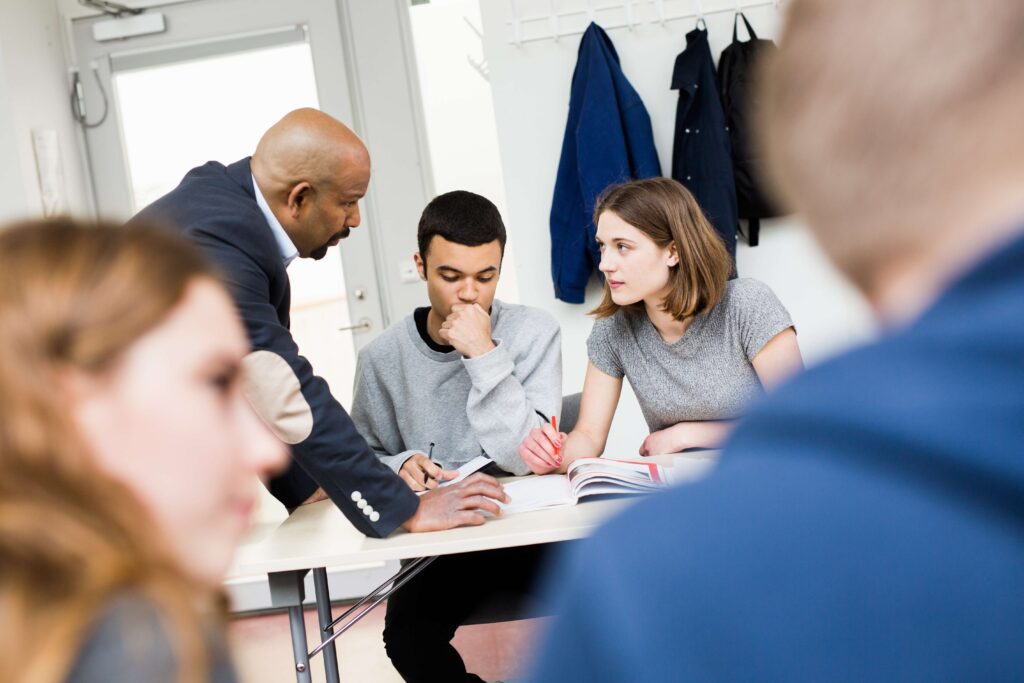
Teachers guide discussion rather than provide fixed answers. Open questions encourage reflection. A safe classroom atmosphere supports dialogue on sensitive topics. Such an environment requires confidence and preparation.
Teacher training influences quality. Without support, global topics may stay superficial. Professional development helps educators manage complexity and student emotions.
Classroom practices and activities
Global citizenship education appears through varied classroom practices. Lessons often use case studies, discussion, and project work. Students analyze real–world situations and explore causes and effects.
Common classroom approaches include:
- discussion of global news events.
- comparison of cultures and social systems.
- group projects on global challenges.
- reflective writing on personal responsibility.
- cooperative learning activities.
These methods support engagement and understanding.
Digital tools expand possibilities. Online resources provide global perspectives. Virtual exchange connects students across countries. These tools increase realism and relevance.
Challenges in implementation
Global citizenship education faces several challenges. Curriculum pressure makes time scarce. Assessment systems look only at things that can be measured, but attitudes are harder to know or check. Students sometimes feel stress because of too much focus on numbers, not feelings. Teachers may feel uncertain discussing global issues.
Political sensitivity also matters. Some topics cause disagreement among parents or communities. Schools must navigate these concerns carefully. Neutral facilitation becomes essential.
Another challenge is depth. Short activities may raise awareness but not understanding. Continuous integration works better than isolated lessons.
Global citizenship education requires long–term commitment. It develops gradually through repeated exposure and reflection. Schools that use it wisely help students understand their place in a world that is connected.
Assessment and learning outcomes
Assessment in global citizenship education focuses on understanding and reflection rather than memorization. Traditional tests capture facts but miss attitude change. Schools often use alternative methods such as portfolios, discussions, and project evaluation.
Learning outcomes appear over time. Students show improved awareness of global issues. They ask more complex questions. Respectful dialogue increases. These changes are gradual and not always visible immediately.
Teachers observe behavior and participation. Reflection tasks reveal thought development. Feedback supports growth instead of ranking. This approach aligns with educational goals beyond academic performance.
Relationship with national education systems
Global citizenship education interacts with national curricula in different ways. Some systems integrate it formally. Others treat it as a cross–cutting theme. Alignment depends on policy priorities and cultural context.
National history and values remain important. Global perspectives complement them. Students learn how local actions connect to global processes. This strengthens understanding of citizenship at multiple levels.
Tension may appear when global values conflict with national narratives. Teachers manage this by encouraging comparison rather than judgment. A balanced presentation supports trust.
Role of higher education and lifelong learning
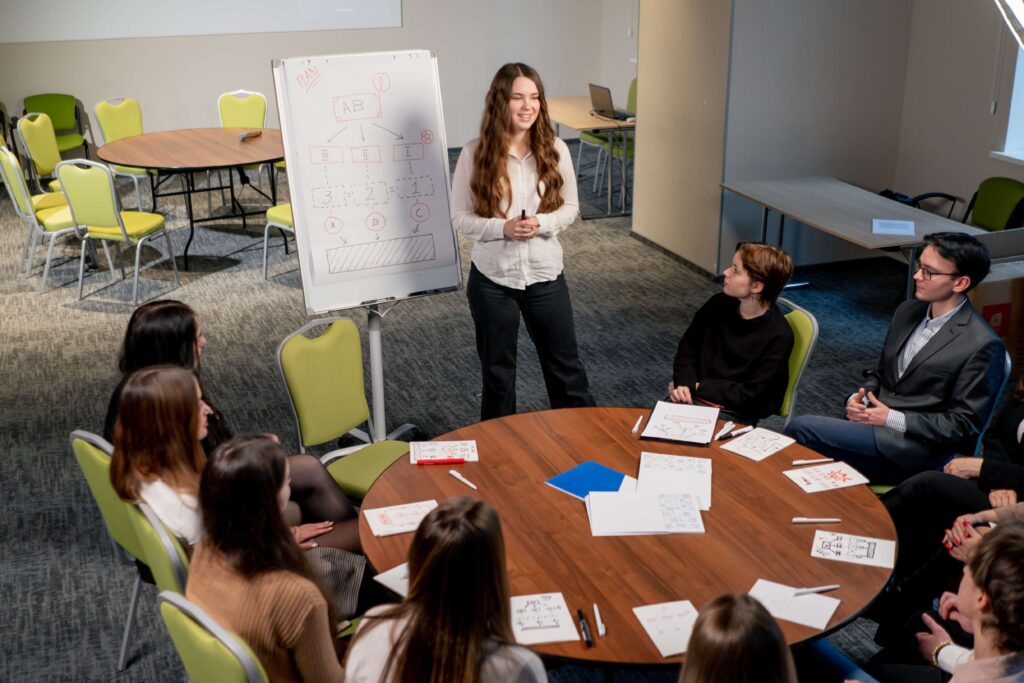
Global citizenship education extends beyond schools. Universities include global topics in many disciplines. International programs, exchange, and research cooperation support this learning.
Adult education also plays a role. Lifelong learning programs address global challenges such as sustainability and migration. These programs support informed participation in society.
Learning continues through media and community activities. Formal education provides a foundation. Informal learning expands perspective over time.
Criticism and debate around the concept
People don’t like global citizenship education. Some people say it doesn’t mean anything. People are worried about losing their sense of who they are as a country. Some people say that schools shouldn’t teach global values.
Supporters say that understanding how the world is connected is true. Education changes with the times. Steering clear of global issues doesn’t keep students from dealing with complexity. Debate has an effect on growth. It pushes for clearer goals and careful language. Practice gets better when people talk about it.
Future directions and adaptation
Global citizenship education evolves with global change. Climate pressure, digital communication, and migration shape priorities. Education responds by updating content and methods.
Future approaches may focus more on sustainability and digital responsibility. Interdisciplinary learning increases. Student participation in learning design grows.
Key development areas include:
- stronger teacher training.
- clearer assessment tools.
- better integration into curricula.
- support for emotional resilience.
Global citizenship education remains a flexible framework. It adapts to context while addressing shared challenges.

Comments are closed